Chemotherapy Followed by Endocrine Therapy Continues for Treatment of Low Grade Serous Ovarian Cancer
New science addresses a key clinical question about treating advanced-stage LGSOC.

In the late-breaking abstract, “Results of a randomized phase 3 trial of letrozole alone versus paclitaxel and carboplatin followed by letrozole as initial treatment for patients with stage II-IV ovarian, fallopian tube, or primary peritoneal low-grade serous carcinoma (NRG-GY019, NCT04095364),” researchers evaluated whether letrozole alone was noninferior to the chemotherapy drugs paclitaxel/carboplatin followed by letrozole (PC/L) for progression free survival.
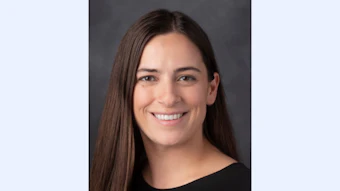
Lead investigator Amanda Nickles Fader, MD, professor of gynecologic oncology at The Johns Hopkins Hospital in Baltimore, presented the findings from the landmark trial. In it, patients with stage II-IV disease were randomized to receive either PC/L or letrozole alone after cytoreductive surgery (CRS). Two interim analyses were planned during the study.
Ultimately, 450 patients were enrolled, and the results supported the treatment of patients with low‑grade serous ovarian carcinoma (LGSOC) with the PC/L approach in the overall study population. At the protocol‑specified second interim analysis (median follow‑up 27.3 months), the hazard ratio (HR) for letrozole versus PC/L was 1.30 (95% CI, 0.90–1.89), crossing the prespecified futility/noninferiority margin (HR greater than 1.213).
“This is a practice-defining trial and represents the largest prospective study to date in this rare cancer subtype and the first phase 3 trial to complete frontline enrollment for patients with rare ovarian tumors,” Dr. Fader said.
Although letrozole monotherapy did not meet the prespecified noninferiority criterion for progression‑free survival (PFS) in the overall trial population, results demonstrated that median PFS was not yet reached in either arm, and to date, overall survival rates are high in both treatment arms, at 95% and 92%, respectively. Additionally, patients who received letrozole alone experienced substantially fewer high‑grade toxicities than PC/L.
Of note was another interesting finding that Dr. Fader called “provocative.” In an exploratory analysis of the 286 study patients (64% of the study population) who underwent cytoreductive surgery to no apparent gross residual (NGR) — a subgroup with more favorable prognosis — the difference in the PFS outcomes between treatment arms was smaller, with a noninferiority hazard ratio of 1.15 (95% CI, 0.68–1.94).
“The hypothesis-generating analysis in patients with NGR disease after surgery raises the possibility that a clinically relevant subset of patients may be appropriate candidates for letrozole monotherapy,” Dr. Fader said.
According to Dr. Fader, LGSOC is a rare but important subtype of ovarian cancer that behaves very differently from the far more common high‑grade serous ovarian carcinoma (HGSOC). Although LGSOC accounts for only about 2% of all epithelial ovarian cancers (roughly 10% of serous tumors), it differs from HGSOC in its biology, histology, epidemiology, and clinical behavior, she said.
"LGSOC tumors proliferate more slowly and are comparatively less responsive to standard platinum‑ and taxane‑based chemotherapy than HGSOC. When detected at advanced stages, they have a high risk of recurrence and poor long‑term outcomes — particularly when residual disease remains after surgery," she said.
Importantly, Dr. Fader said LGSOC is more likely to express hormone receptors (estrogen receptors in 85%–90% and progesterone receptors in about half of cases), providing a strong biological rationale for hormone‑directed treatments, such as the aromatase inhibitor letrozole. Dr. Fader noted that retrospective clinical series and population-based studies have suggested substantial benefit from endocrine approaches and these studies informed the NRG-GY019 trial design.
“We have learned that a one-size-fits-all approach to the frontline treatment of epithelial ovarian cancer is not an appropriate strategy, and I suspect that will continue to be the case for patients with LGSOC,” she said. “Ongoing clinical follow‑up of the NRG-GY019 data and planned correlative tumor molecular profiling are essential to contextualize the study observations, identify which patients derive the greatest benefit from PC/L, and determine whether letrozole alone may be a reasonable alternative in select patients.”
LGSOC is a rare but clinically important subtype, representing 10% of all serious ovarian cancers, with distinct biology, indolent growth, relative chemoresistance, and strong hormone receptor expression. Long-term outcomes for patients diagnosed with advanced stage disease can be poor. Retrospective data have hinted at substantial benefits from endocrine therapy, but until now, no phase 3 trial had tested endocrine monotherapy as primary treatment.
“For now, chemotherapy followed by letrozole is the practice-defining standard of care for patients with advanced stage LGSOC because the NRG-GY019 trial did not demonstrate that letrozole alone is reliably noninferior for delaying progression,” Dr. Fader said. “Clinicians should continue to weigh the clear toxicity advantage of letrozole against the current evidence demonstrating fewer disease progression events with chemotherapy plus endocrine therapy.”
View abstract presentation slides and session recordings on the event platform. Recordings will be available within 24 hours and accessible for 60 days.