It’s Time to Change the Diagnosis Protocol for Endometrial Cancer
Study finds that patients in certain ethnic groups aren’t always getting the timely diagnosis they need.
Non-Hispanic Black (NHB) patients have a lower survival rate from endometrial cancer than non-Hispanic white patients. There are several reasons for this, but it is largely influenced by a propensity for a later stage at the time of diagnosis in NHB patients. The big question is, why aren’t these patients being diagnosed sooner?
In the abstract “Timely endometrial sampling after transvaginal ultrasound: the multi-institutional Performance in Ultrasound Menopausal Bleeding Assessment (PUMBA) study,” which was presented earlier today, researchers are looking into whether racial differences in transvaginal ultrasound efficacy combined with timely receipt of indicated endometrial sampling could be contributing to delays in diagnosis.
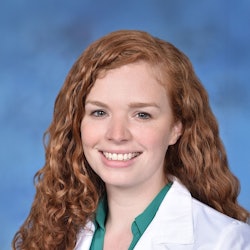
Transvaginal ultrasound (TVUS), followed by endometrial sampling (if the endometrium exceeds 4 mm or is inadequately visualized) is one of the most common diagnostic strategies for endometrial cancer. But lead investigator Angela Nolin, MD, a gynecologic oncology fellow at Duke University Health System in Durham, North Carolina, said the study has found that TVUS is an “imperfect tool in the workup of post-menopausal bleeding, particularly in non-Hispanic Black patients.”
“Nearly one in four non-Hispanic Black patients in our study did not receive a timely biopsy and risked a delayed or missed diagnosis of endometrial cancer,” she said. “This is a likely contributor to disparities in outcomes between non-Hispanic Black and non-Hispanic White patients.”
The study reviewed the records of 6,486 patients with PMB (40.7% were NHW, 25.7% were NHB, 15.4% were Hispanic, 3% were NH Asian, and 16% were other or unknown). All of the patients underwent TVUS at three academic institutions between 2013-2022.
Their TVUS results were characterized in one of three categories:
- Endometrium visualized, greater than 4 mm (thick/biopsy indicated)
- Endometrium inadequately visualized (inadequate/biopsy indicated)
- Endometrium visualized, less than 4 mm (thin/biopsy not indicated)
The care the patients received according to the guidelines was compared across TVUS result categories, patient race and ethnicity, and fibroid presence.
About 13% (852) of the patients had inadequate TVUS. Nearly 3,000 (46.3%) had a thick endometrium, and 2,619 (40.5%) had a thin endometrium. Fibroids were present in 74% of NHB patients and in 48% of NHW patients. They were also present in 74.3% of the patients who had inadequate TVUS — 57.5% with a thick endometrium and 49.4% with a thin endometrium.
These fibroids were associated with a higher likelihood of sampling for inadequate TVUS regardless of race or ethnicity and were not associated with the rate of sampling of a thick endometrium regardless of race or ethnicity.
Ultimately, the study found only two-thirds of patients with abnormal or inadequate TVUS received timely endometrial sampling. This dropped to one-half among those with just inadequate TVUS. The higher presence of fibroids and subsequent inadequate TVUS in NHB patients was associated with a higher rate of failure to sample. In addition, care that was not in alignment with guidelines was found to be 1.57 times higher in NHB compared to NHW.
Dr. Nolin said this all points to one thing: It’s time for a change in the way these patients are tested and diagnosed for endometrial cancer.
“A universal biopsy-based approach decreases the risk of delayed or missed endometrial cancer diagnosis among all patients with postmenopausal bleeding while simultaneously eliminating a source of disparity in care between non-Hispanic Black and non-Hispanic White patients,” she said.
View abstract presentation slides and session recordings on the event platform. Recordings will be available within 24 hours and accessible for 90 days.